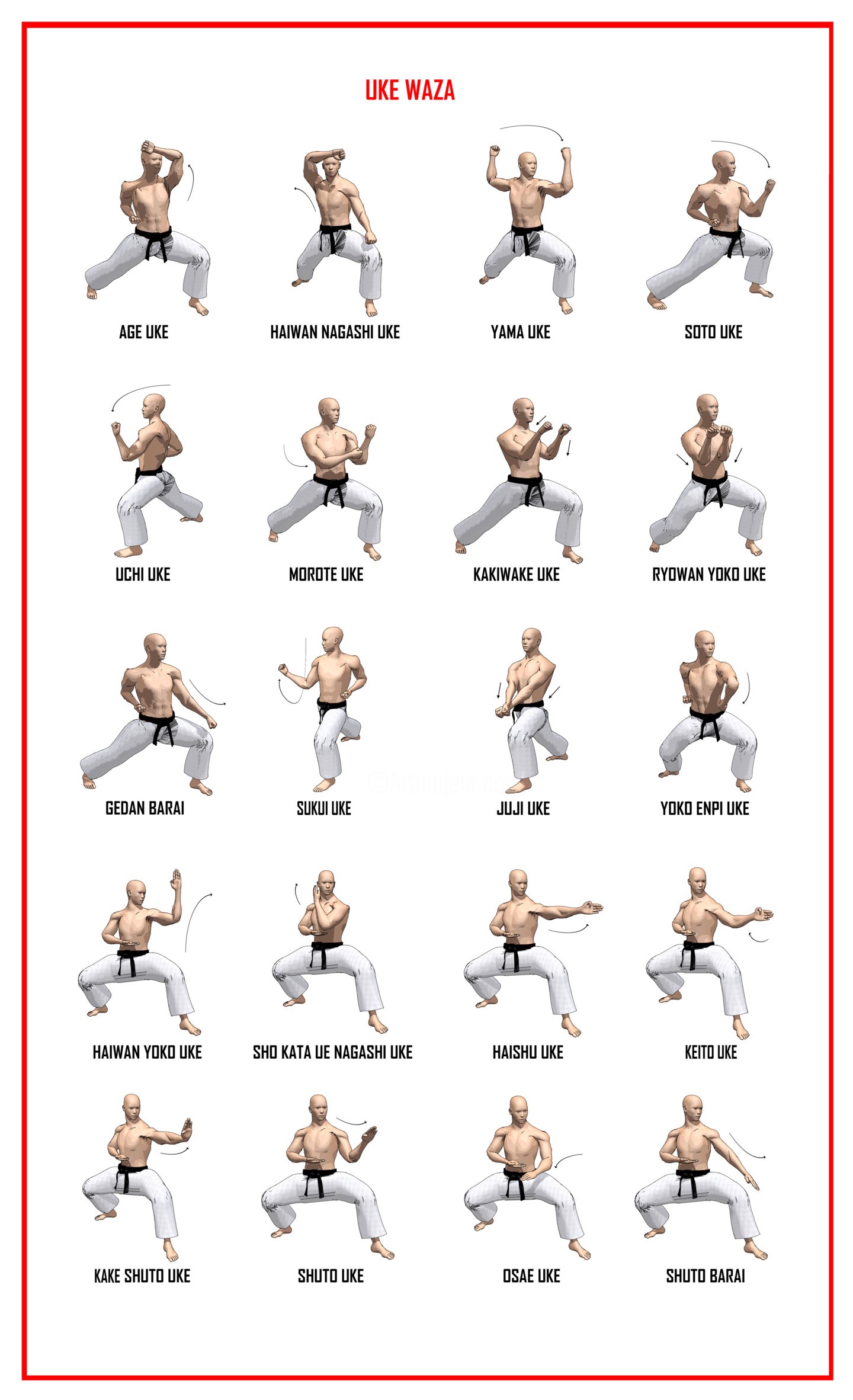
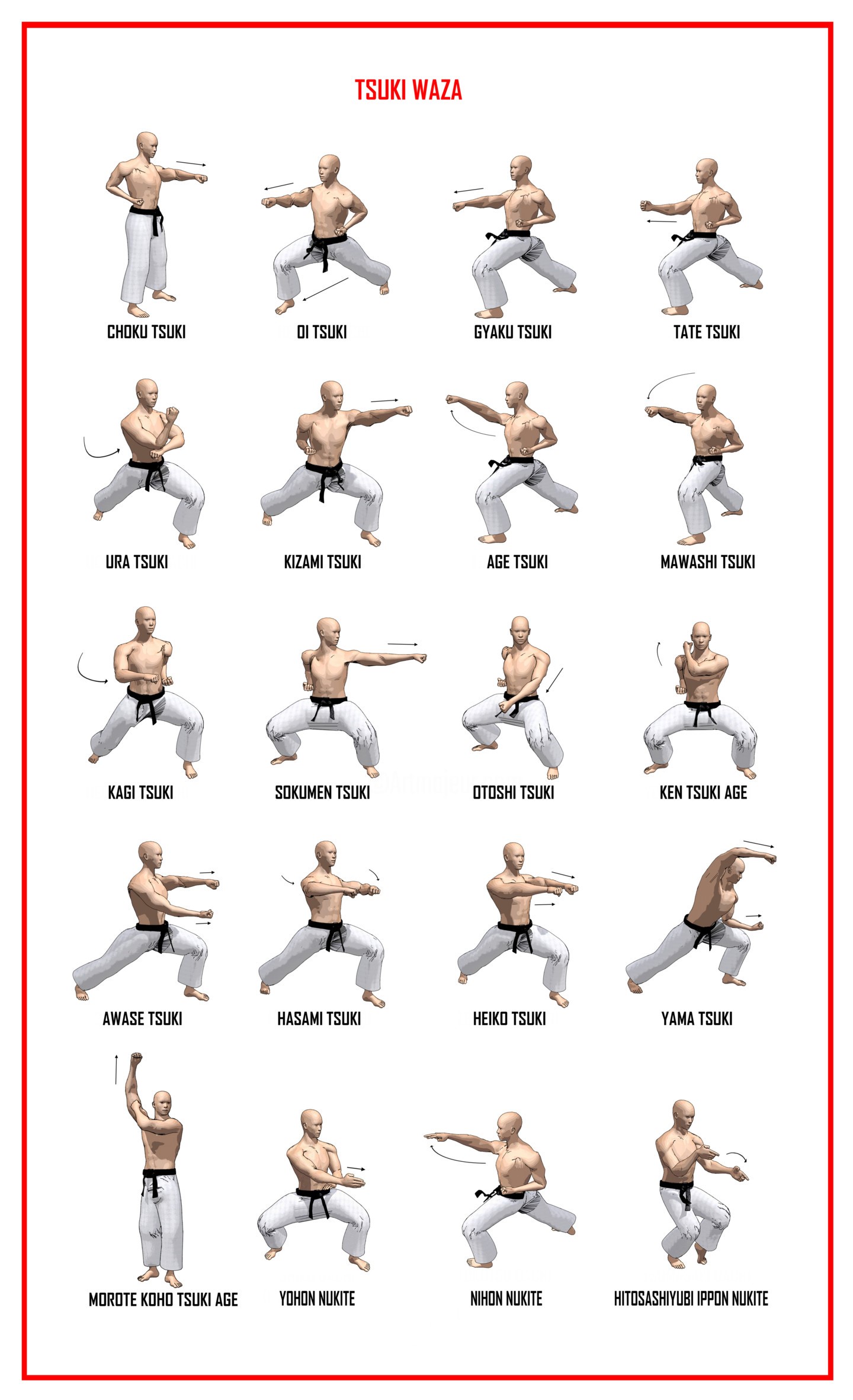
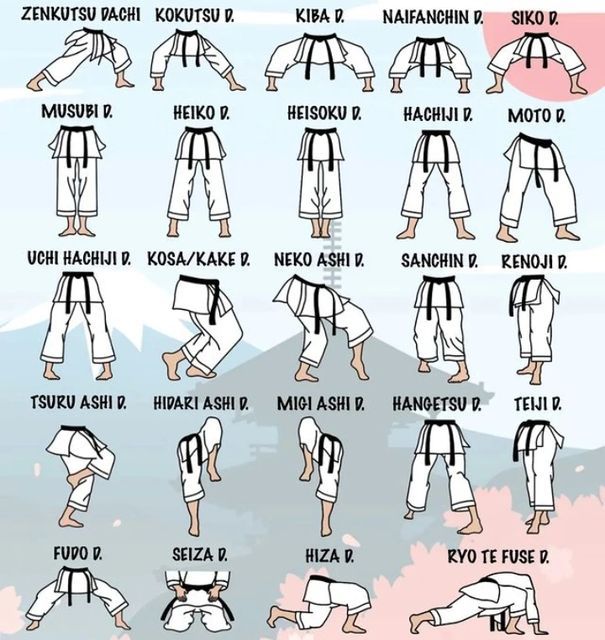
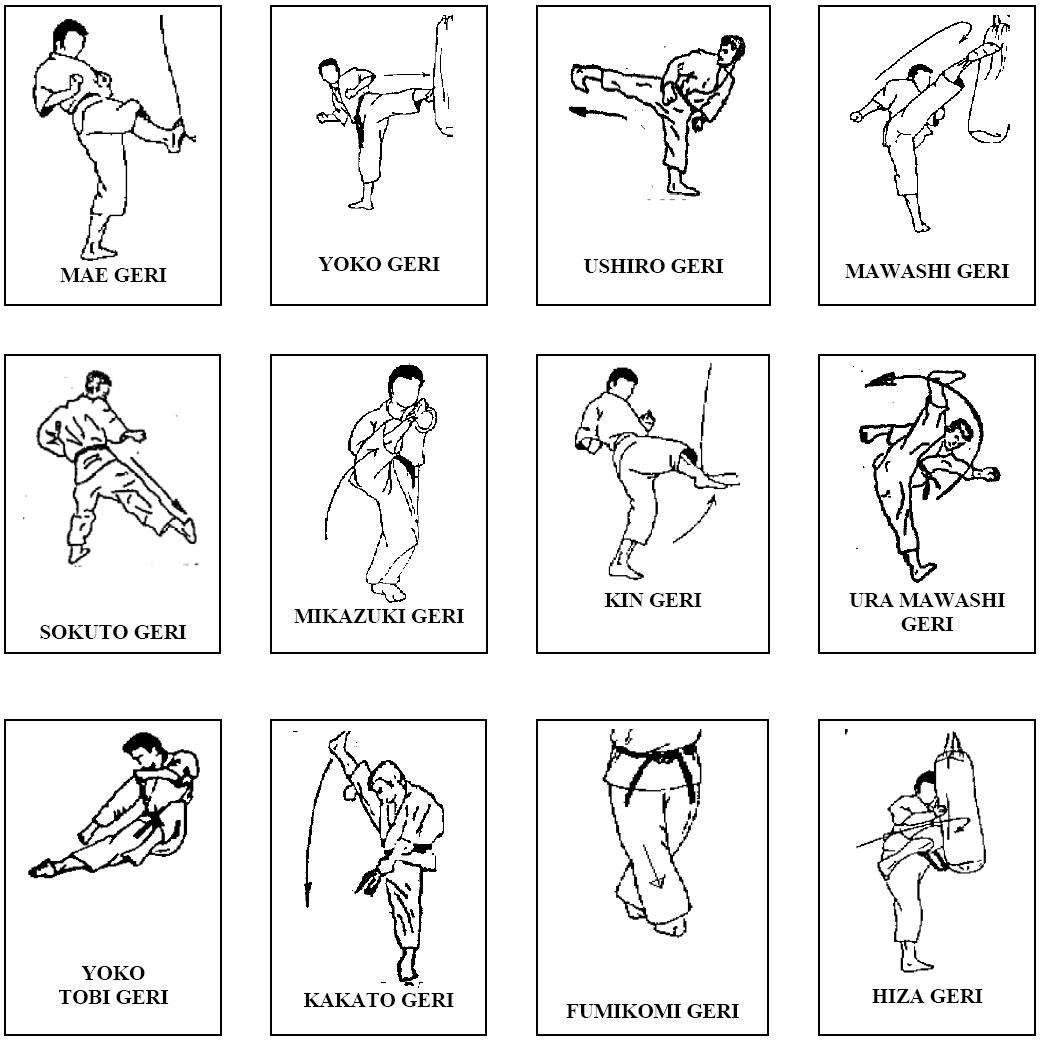
Here, you will find the technical guidelines and visual support needed to complement your daily training. From fundamental stances to the proper care of your equipment, this space is designed to support your continuous learning at your own pace. The true path of Shugyo is built day by day, both inside and outside the dojo.
How to Tie Your Karate Belt (Obi)
Tying your Obi correctly is one of the first and most important rituals in Budo. It reflects your attention to detail, your respect for the art, and your state of mind before training begins. Follow this traditional, secure method to ensure your belt stays in place throughout the entire class.
Find the Center Unharness your belt and fold it exactly in half to find the center point.
Placement over the Tanden Place the center of the belt directly over your Tanden (your lower abdomen, about two inches below your navel). This is your center of gravity and energy.
Wrap Around the Back Bring both ends of the belt around your waist to the back, cross them over smoothly, and bring them back to the front. Make sure the belt layers sit flat against each other without twisting.
Adjust and Cross the Front Hold both ends out in front of you to check the alignment. Cross the left end over the right end.
List iteThe First Knot (From the Bottom Up) Take the top end (the one that was on the left) and tuck it underneath all the layers of the belt against your stomach. Pull it up and out from the top. Tighten the belt comfortably by pulling both ends horizontally.m
The Final Knot Now you have a top end and a bottom end. Cross the top end over the bottom end to form a loop. Feed that same top end through the loop from the inside out.List item
Secure the Knot Grab both ends firmly and pull sharply to the sides (horizontally) to lock the knot in place.List item
Reiho in Budō
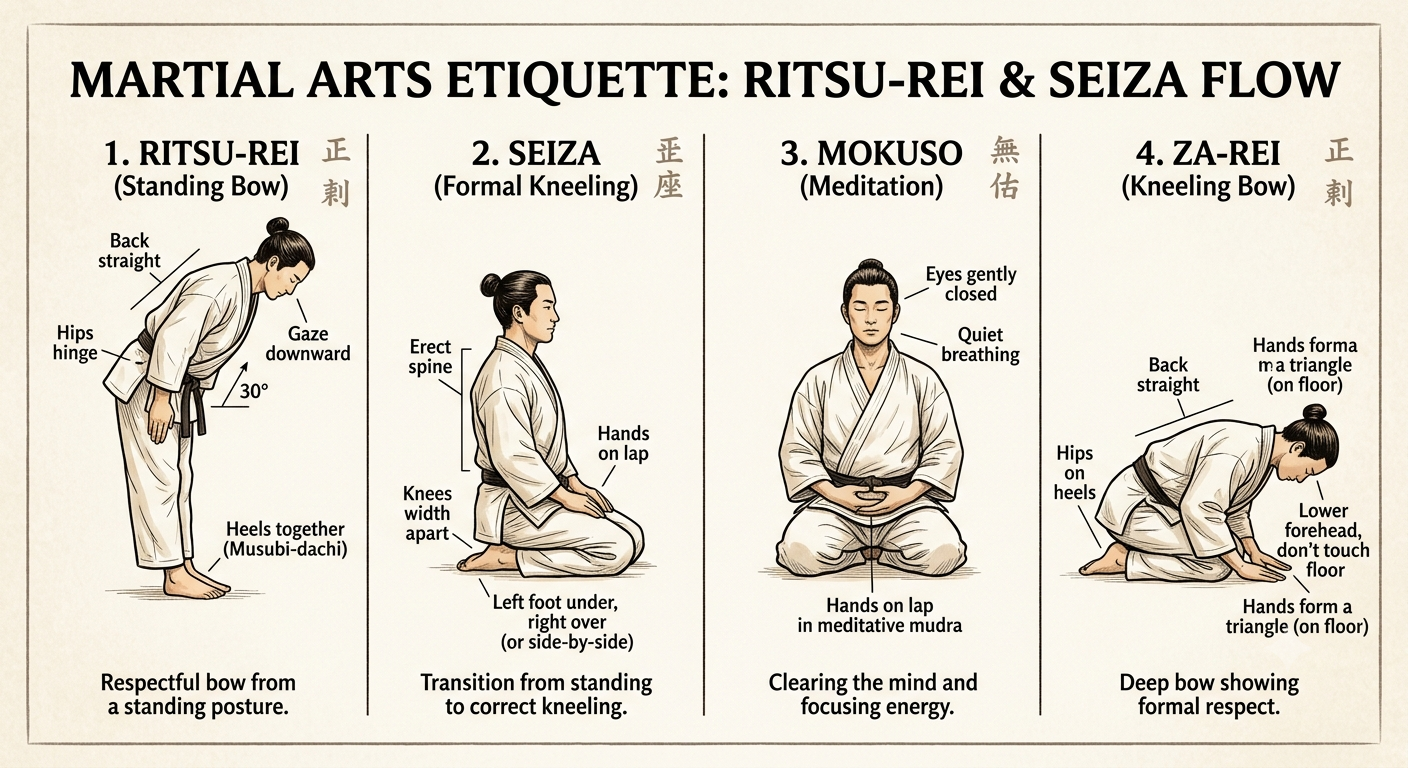
Reiho (礼法) is the set of etiquette rules and forms of courtesy that govern conduct in Japanese martial arts. The word combines rei (礼 = respect, bow, courtesy) and ho (法 = law, method, way).
Why does Reiho exist?
In budō, the bow is not a simple social gesture — it is a philosophical statement. It expresses:
Humility before the art and the teacher
Awareness of danger (you bow to someone who could harm you, and vice versa)
Mental presence — the rei marks the beginning and end of the practice state
Gratitude toward the dōjō, training partners, and tradition
The main forms
Ritsu-rei (立礼) — standing bow, 15° to 45° inclination depending on context.
Za-rei (座礼) — bow in seiza (kneeling), more formal. Left hand goes down first, then the right.
Mokusō (黙想) — brief silent meditation before and after practice, an integral part of the ritual.
Typical sequence in the dōjō
Bow upon entering the dōjō (toward the shomen)
Bow to the sensei
Bow to your partner before and after each practice
Final bow to close the class
The key phrase
“Rei ni hajimari, rei ni owaru” — 礼に始まり、礼に終わる “It begins with respect, it ends with respect.”
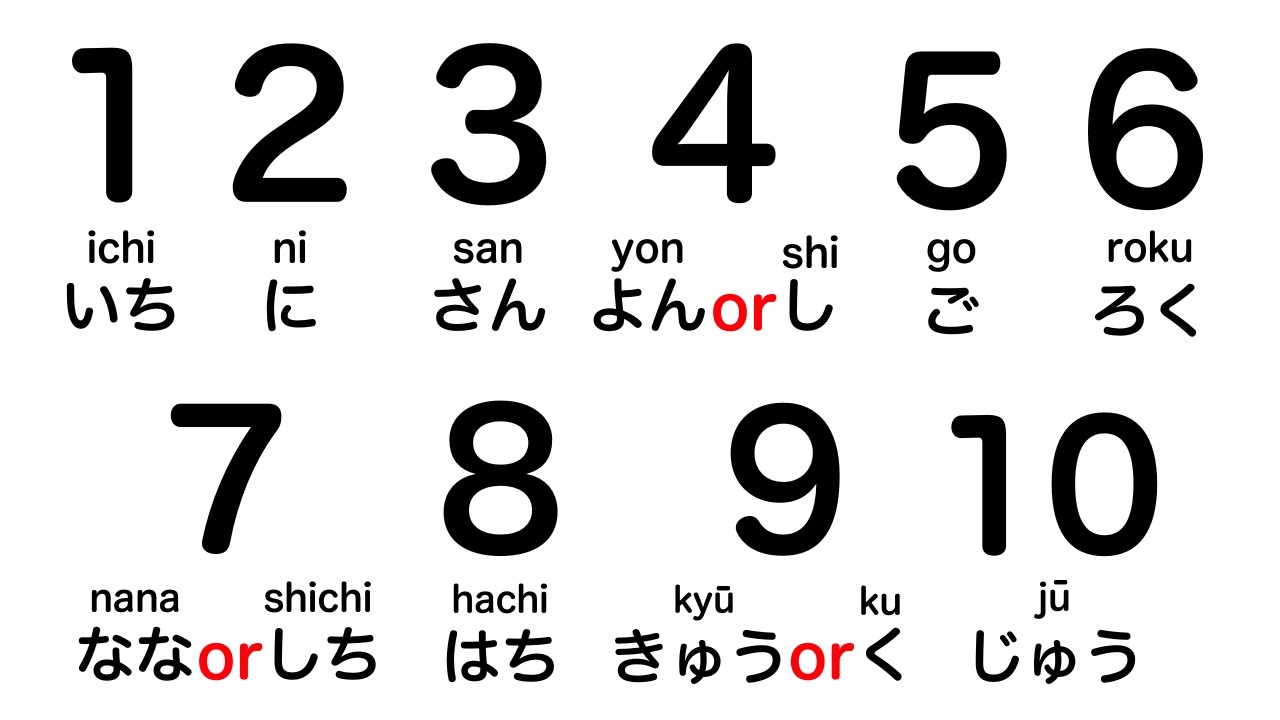
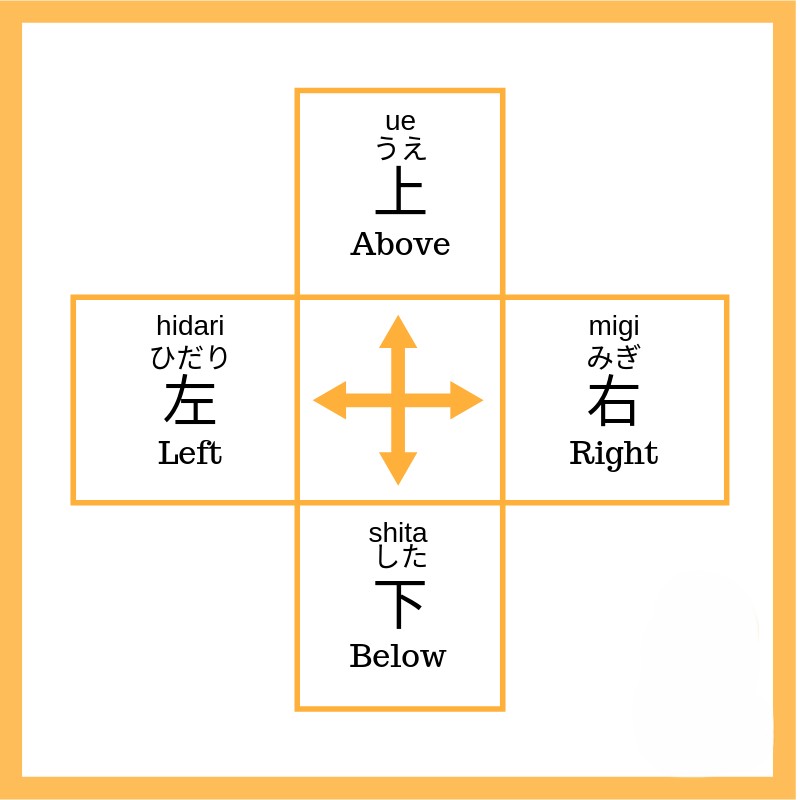
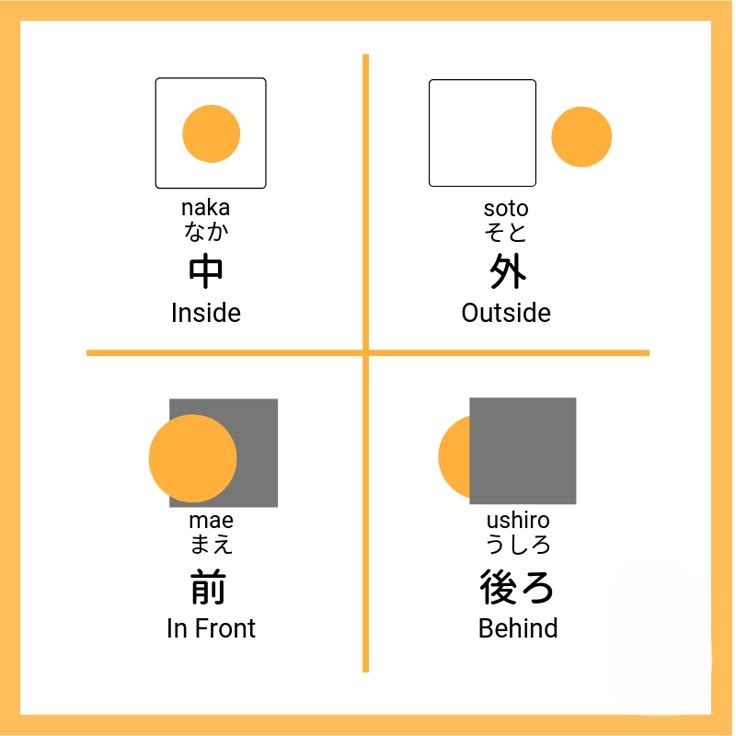
Numbers and spatial position in Japanese
Previous slide
Next slide
Uke (Block), Tsuki (Punch), Dachi (Stance), Geri (Kick)